
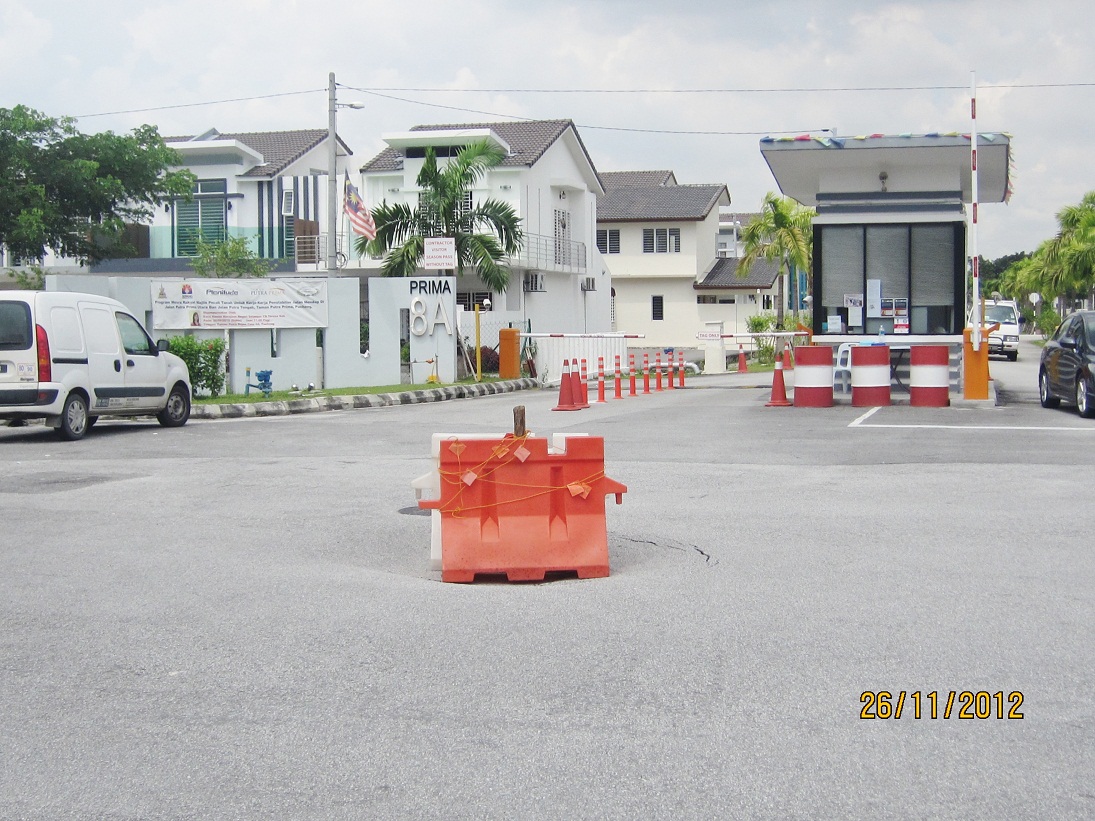
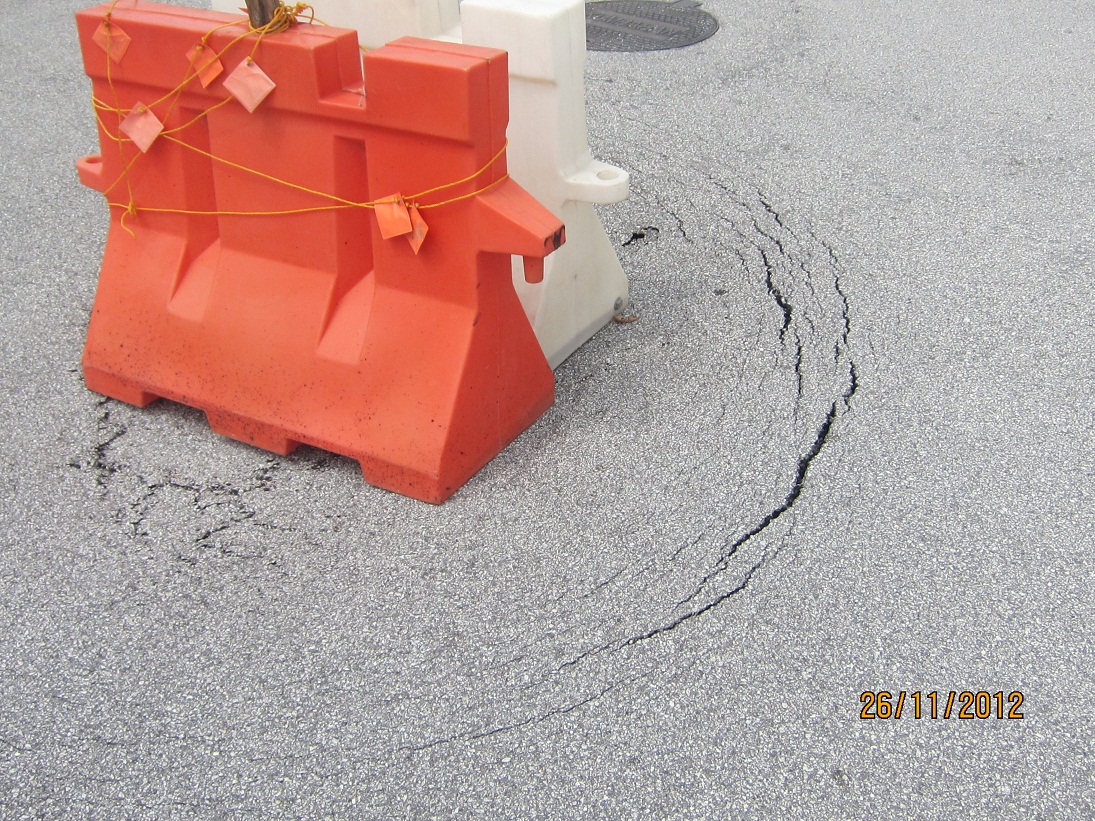
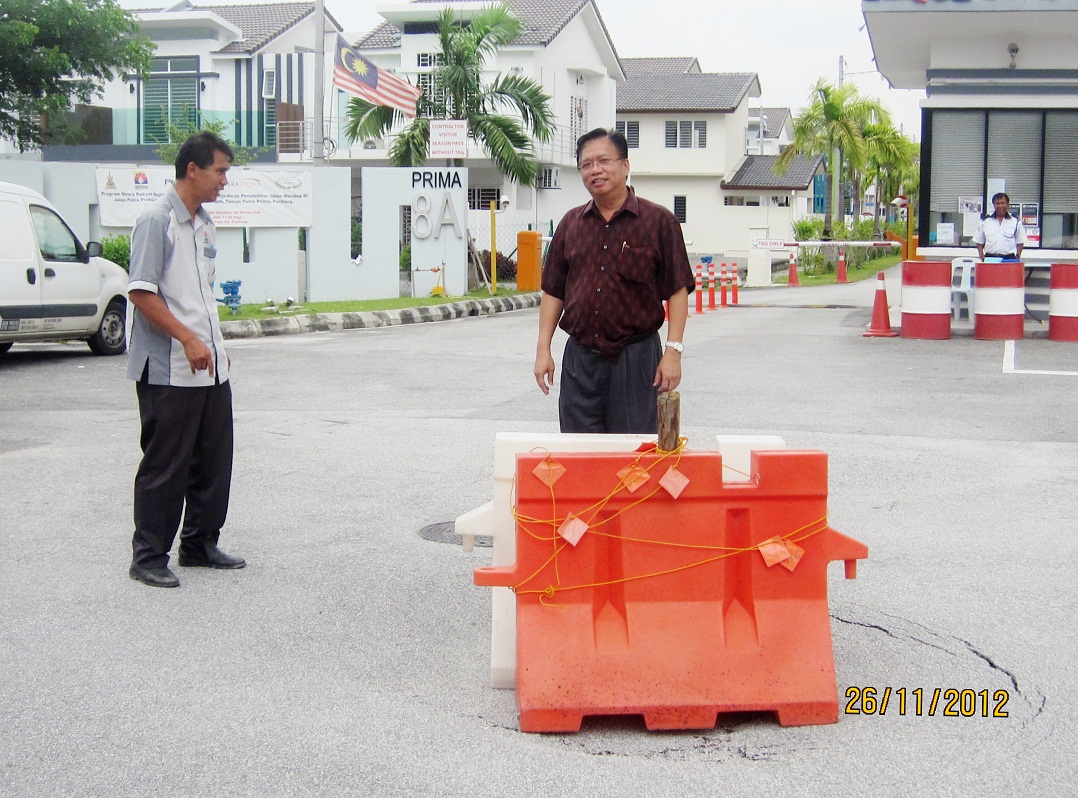
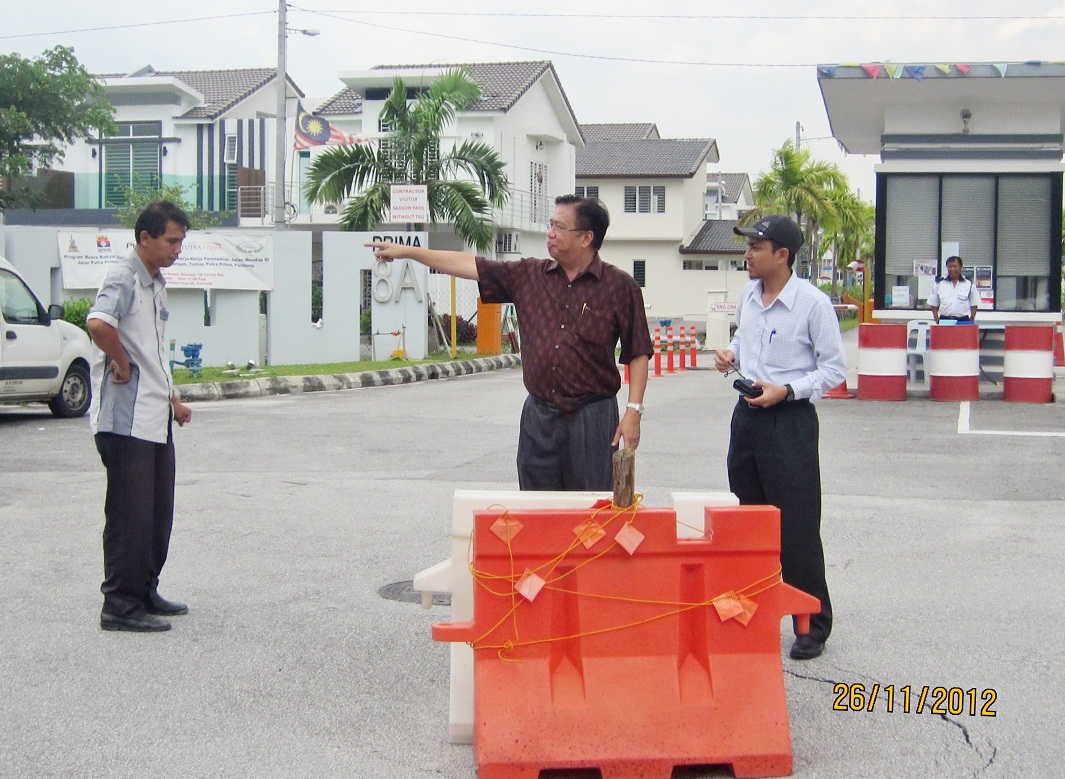
The RA chairman had notified the contractor, Consultant Engineer Ikram, and Pengarah Kejuruteraan MPSepang this morning, Majlis technicians visited the scene immediately after receiving notification from the chairman.
The causing of Sinkhole
More commonly, sinkholes occur in urban areas due to water main breaks or sewer collapses when old pipes give way. They can also occur from the overpumping and extraction of groundwater and subsurface fluids. They can also form when natural water-drainage patterns are changed and new water-diversion systems are developed. Some sinkholes form when the land surface is changed, such as when industrial and runoff-storage ponds are created; the substantial weight of the new material can trigger an underground collapse of supporting material, thus, causing a sinkhole.
Sinkholes can be triggered by human activities such as:
- Overwithdrawal of groundwater
- Diverting surface water from a large area and concentrating it in a single point
- Artificially creating ponds of surface water
- Drilling new water wells
Typical activities that can lead to sinkholes are:
- Decline of water levels – drought, groundwater pumping (wells, quarries, mines)
- Disturbance of the soil – digging through soil layers, soil removal, drilling
- Point-source of water – leaking water/sewer pipes, injection of water
- Concentration of water flow – stormwater drains, swales, etc.
- Water impoundments – basins, ponds, dams
- Heavy loads on the surface – structures, equipment
- Vibration – traffic, blasting
From several sources of literature and facts finding, it is evidently that our stretch of road (Jalan Putra Prima Utara) facing the water retention basin (artificial pond) was more vulnerable to the occurrence of sinkhole especially after the year-end monsoon rainy season.
Sources:
http://www.sjrwmd.com/watersupply/howsinkholesform.html
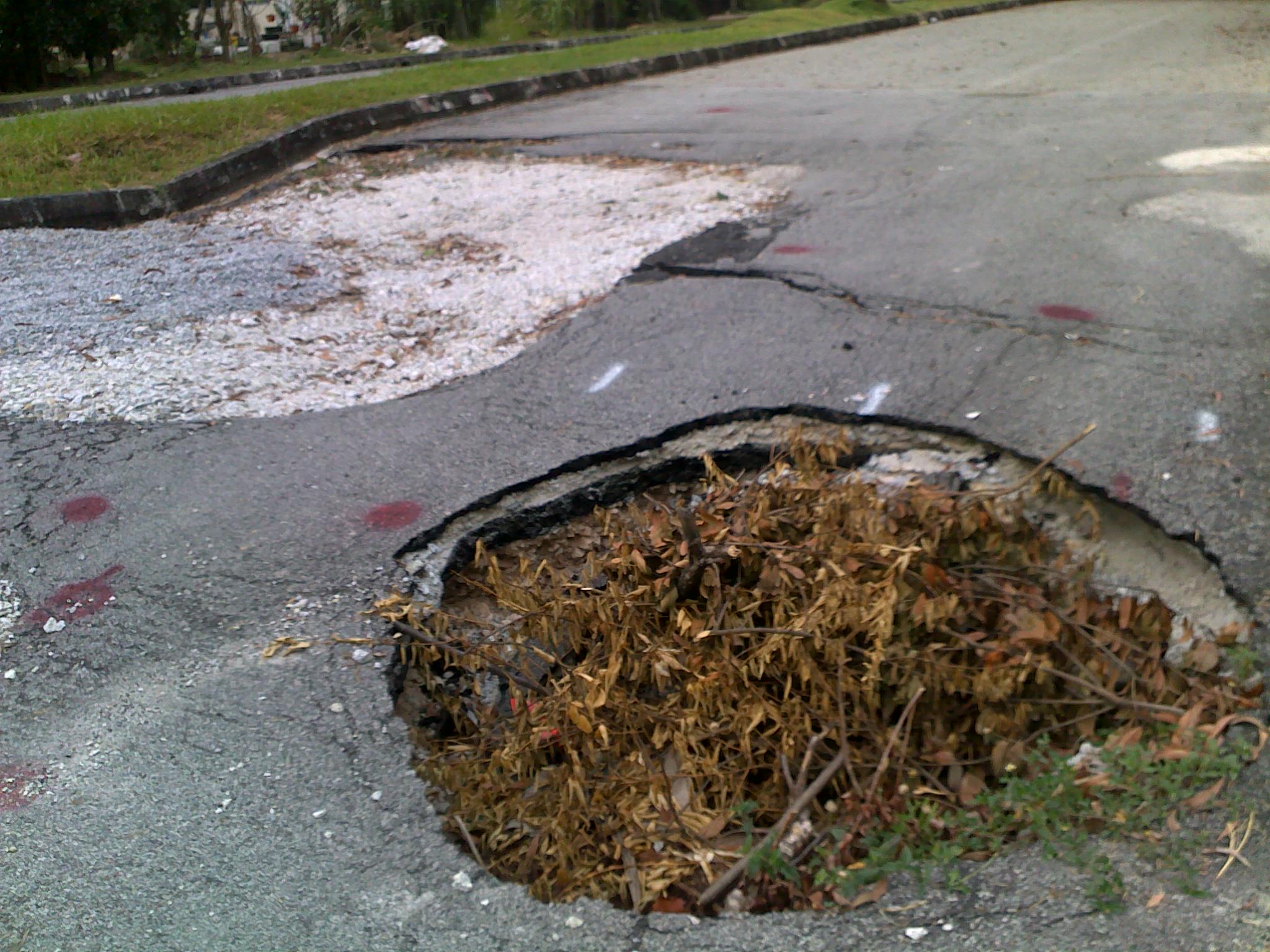
Actual scene at Jalan Putra Prima Utara before the RM2.6M repair works

Hopefully this will not happen right at PP8A entrance
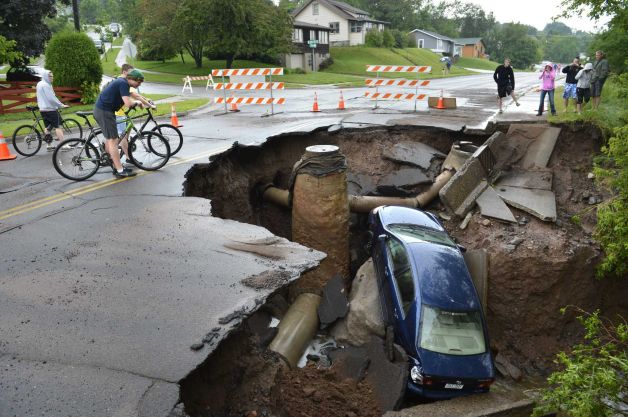
Picture from elswhere


 Taman Putra Prima 8A Puchong